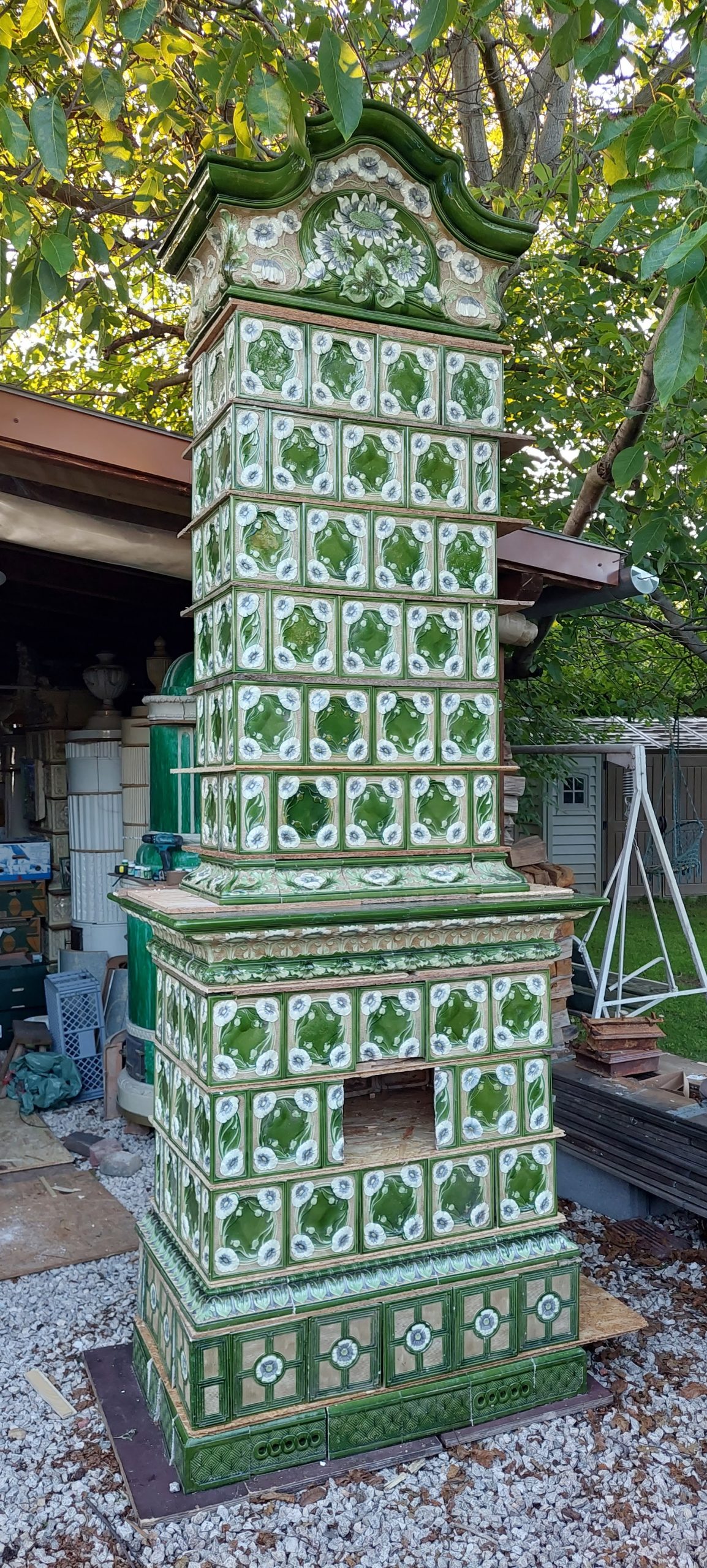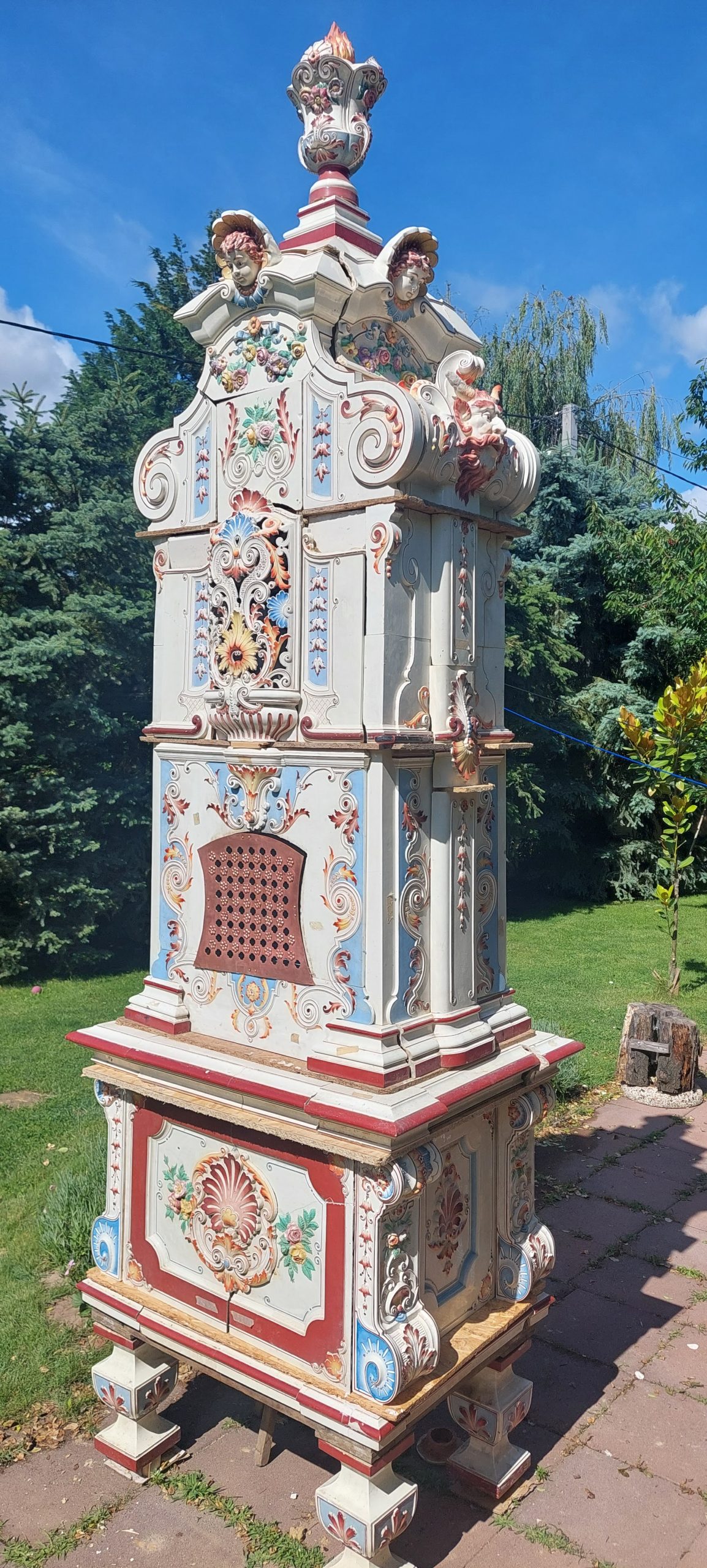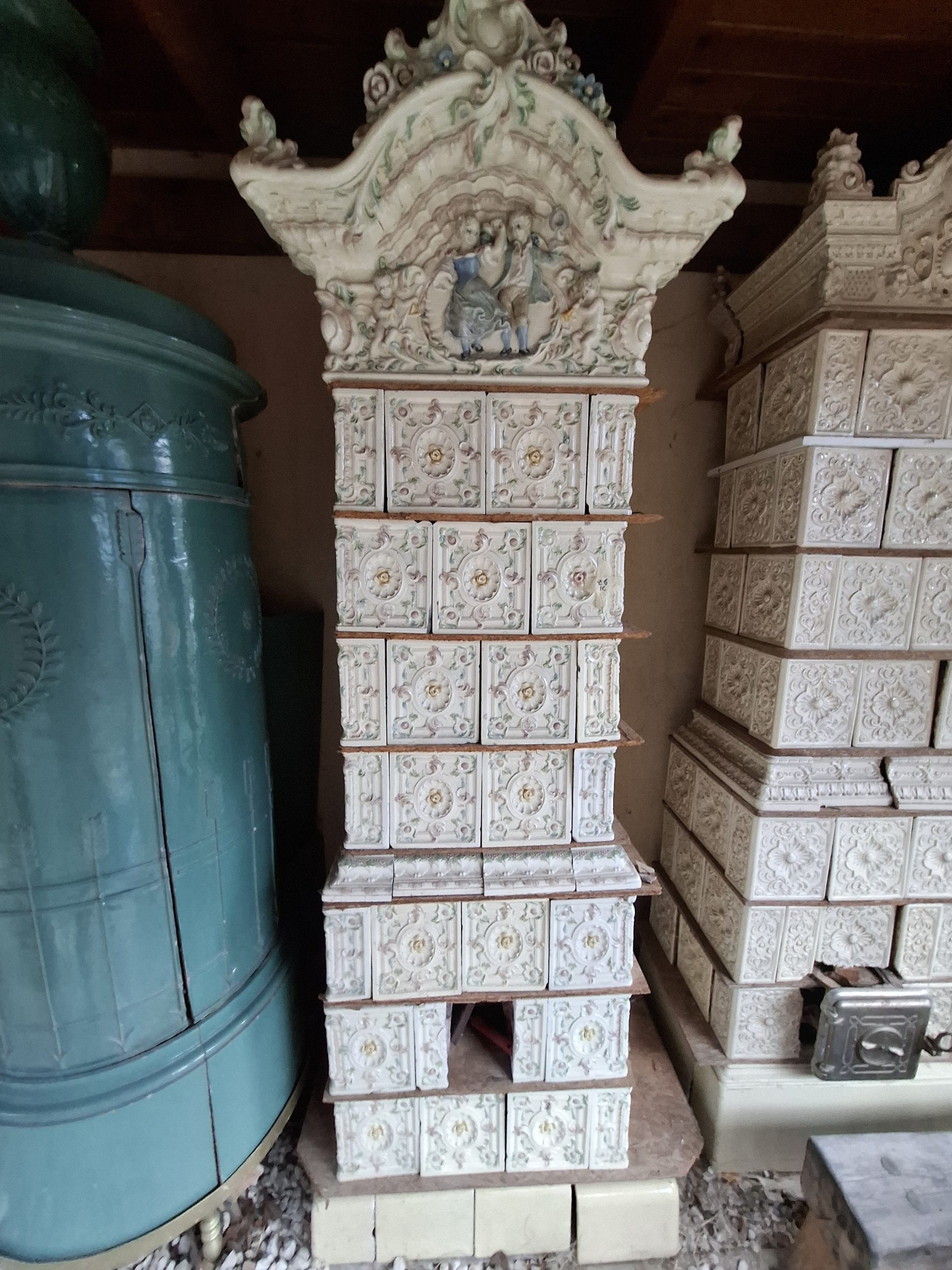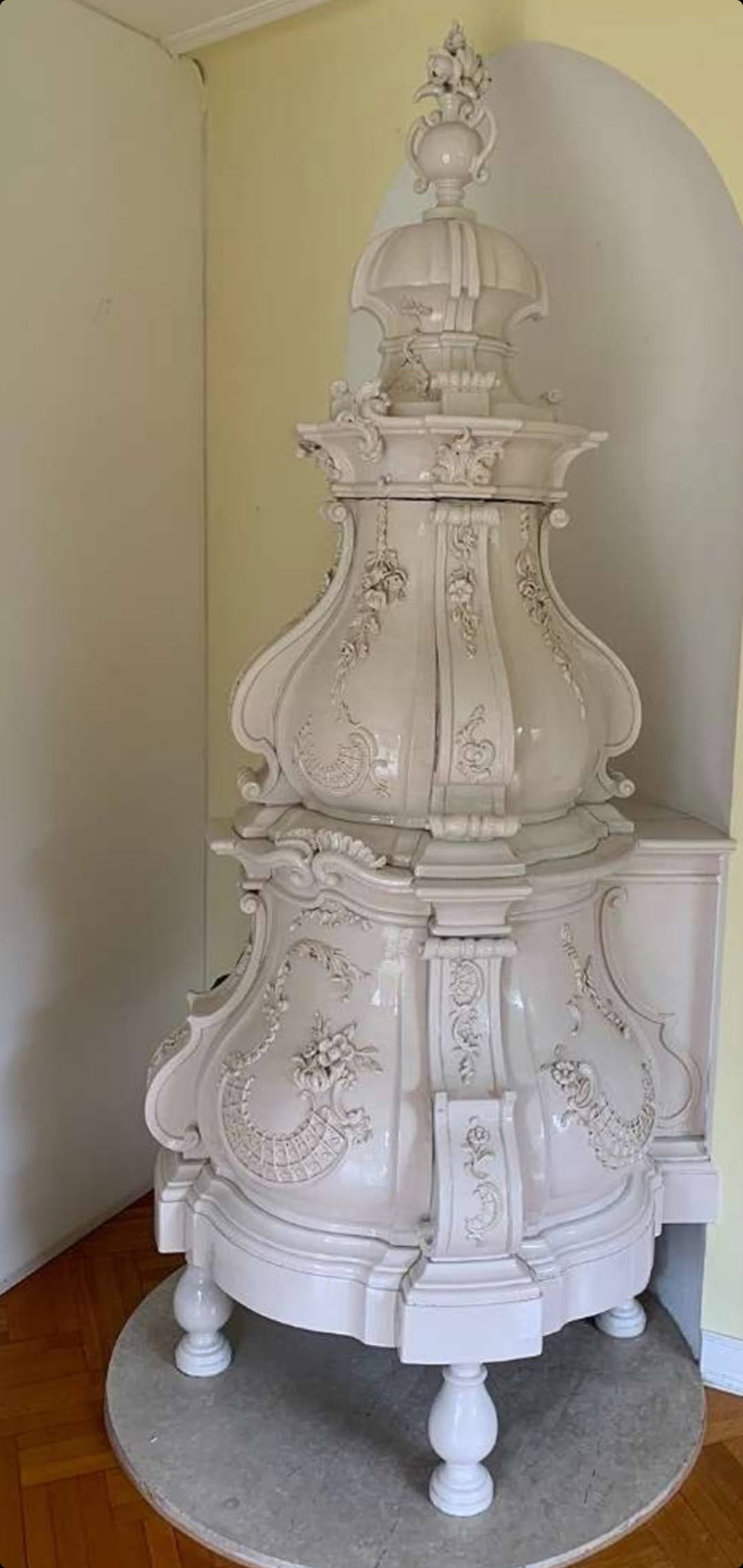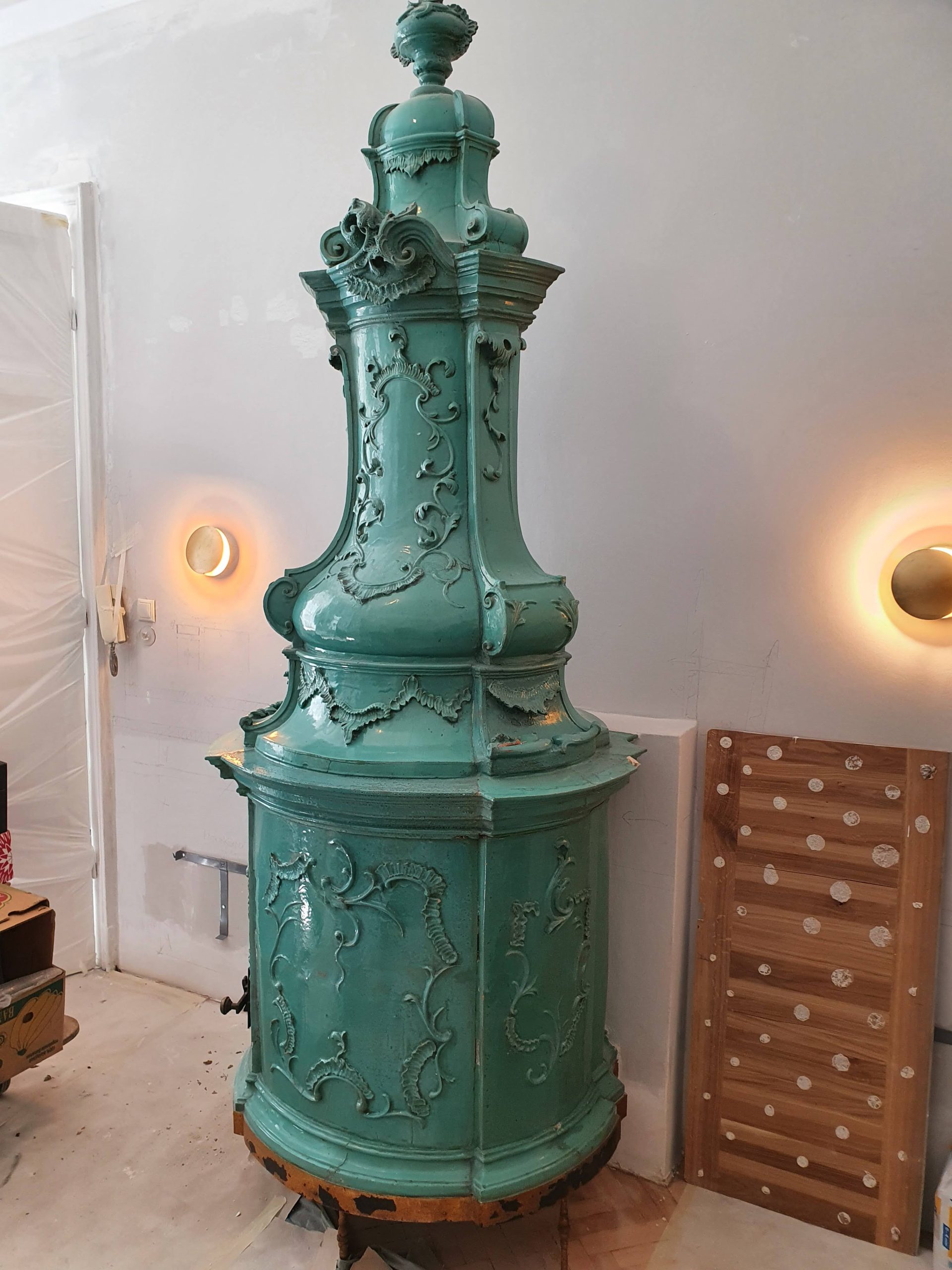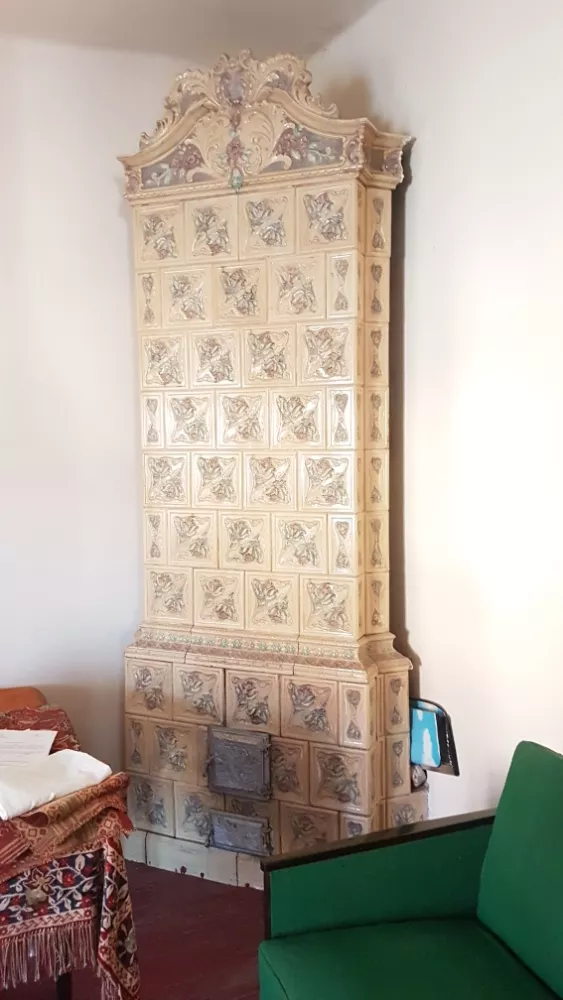
Many believe that fireplaces are more efficient than tiled stoves – however, reality shows the opposite. While a fireplace offers quick radiant heat, a tiled stove stores energy for hours thanks to its ceramic tiles. This article clarifies the technical, historical, and practical differences crucial for collectors of antique stoves.
Table of Contents
- Key Differences Between Tiled Stove and Fireplace
- Fundamental Definitions and Construction Principles
- Technical Differences in Heating Technology and Heat Distribution
- Historical Development and Cultural Significance
- Typical Materials, Designs, and Stylistic Features
- Common Misconceptions and Factual Corrections
- Care, Restoration, and Practical Use of Antique Stoves
- Conclusion and Recommendations for Collectors and Enthusiasts
- Discover Our Original Antique Tiled Stoves
- Frequently Asked Questions
Key Differences Between Tiled Stove and Fireplace
| Point | Details |
|---|---|
| Heat Storage | Tiled stove stores heat for hours, fireplace releases it immediately |
| Efficiency | Tiled stove over 80%, fireplace usually 10–20% |
| Cultural Significance | Tiled stove is considered a work of art, fireplace is more functional |
| Fuel Consumption | Tiled stove saves up to 30% of fuel |
| Construction | Tiled stove with flue system and ceramics, fireplace open or metal |
Fundamental Definitions and Construction Principles
A tiled stove is a ceramic-clad storage heating system with internal flues that releases heat over a long period. Flue gases pass through winding channels inside, transferring their energy to the massive tiles. This design allows the stove to radiate cozy heat for hours after the fire has gone out.
In contrast, a fireplace functions as an open hearth with direct radiant heat. Here, the wood burns visibly, and heat largely escapes immediately through the chimney. Modern fireplaces may have glass doors or metal inserts, but they remain significantly less efficient in their basic function.
The flue system in a tiled stove is the heart of its efficiency. It extends the path of hot exhaust gases, maximizing heat transfer. If you are buying an antique tiled stove, be sure to check the condition of these flues. Damage drastically reduces heating power.
Important construction differences:
- Tiled stoves have ceramic bodies several meters high with complex smoke ducts
- Fireplaces use direct vertical extraction without heat storage
- Tiled stoves require professional installation by specialized stove fitters
- Fireplaces are often easier to install but offer lower thermal comfort
Technical Differences in Heating Technology and Heat Distribution
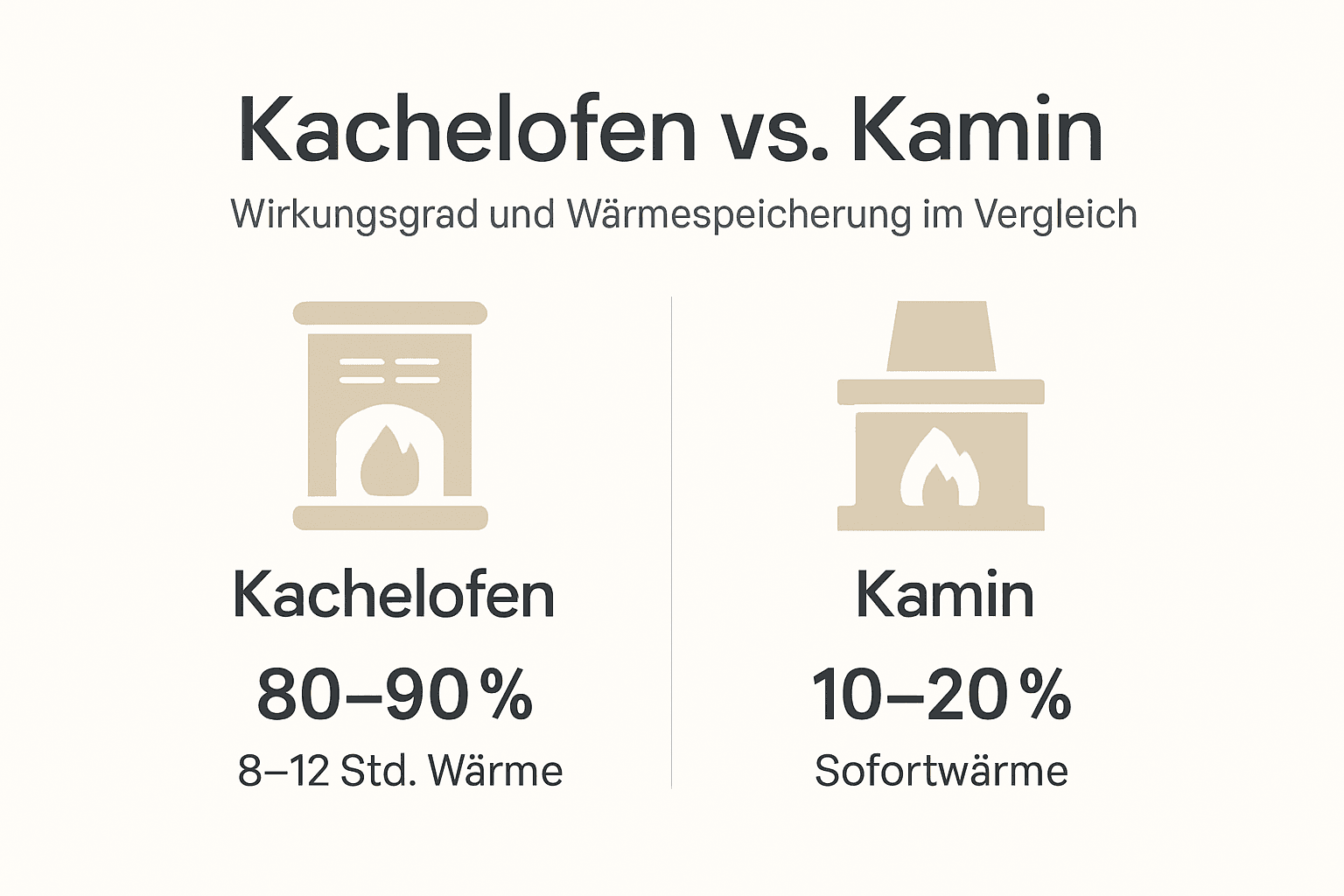
Heat storage distinguishes the two systems fundamentally. A tiled stove absorbs energy during the combustion process and releases it uniformly over 8 to 12 hours. The principle is based on the high thermal capacity of the ceramic, which absorbs the temperature slowly and releases it just as slowly.
A fireplace, on the other hand, radiates heat only during active combustion. As soon as the fire goes out, the surroundings cool down quickly. This difference explains why tiled stoves achieve efficiencies of over 80%, while fireplaces usually only reach 10–20%.
| Feature | Tiled Stove | Fireplace |
|---|---|---|
| Efficiency | 80–90% | 10–20% |
| Radiation Duration | 8–12 hours | 1–2 hours |
| Wood Consumption | Low | High |
| Room Climate | Uniform warmth | Spotty heat |
| Installation Complexity | High | Medium |
Fuel savings make tiled stoves particularly attractive for environmentally friendly heating. They burn wood more completely and require less frequent stoking. This saves not only your wallet but also the environment.
Expert Tip: During restoration, ensure that all flues are intact. Even small cracks or blockages significantly reduce efficiency. An experienced stove fitter can check and professionally repair them before commissioning.
Historical Development and Cultural Significance
European tiled stoves evolved from the Baroque to the Rococo, the Empire, and through to Art Nouveau (Jugendstil). Each era left its own aesthetic mark: curves in the Baroque, playful ornaments in the Rococo, clear lines in the Empire, and floral motifs in Art Nouveau. This variety makes antique tiled stoves highly sought-after collector’s items.
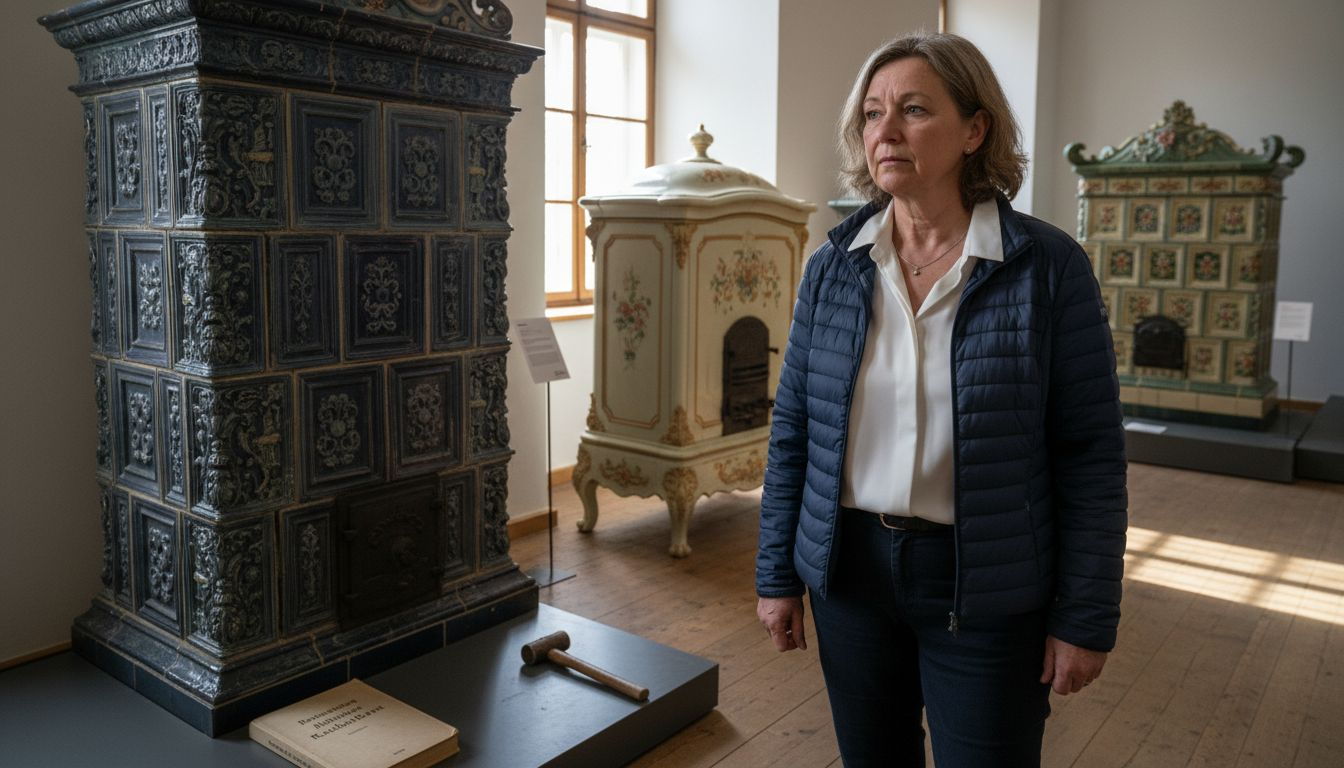
Fireplaces, on the other hand, served for centuries as open hearths in castles and manor houses. They were status symbols and social gathering places. Their function was less about efficient heating and more about representation and social interaction.
The cultural significance of antique tiled stoves goes beyond their heating function. They embody the craftsmanship of past centuries and tell stories of the time they were created. Each stove is unique, crafted by masters who put their skill into every single tile.
Important cultural aspects:
- Tiled stoves were the center of domestic life in Central Europe
- They show regional styles and craft traditions
- Fireplaces represented power and wealth in noble residences
- Both types shaped the culture of living and the architecture of their time
When you buy an antique tiled stove, you are not just acquiring a heating device. You are preserving a piece of European cultural history and bringing artistic craftsmanship into your home. Their height of 2 to 4 meters makes these stoves impressive centerpieces in any room.
Typical Materials, Designs, and Stylistic Features
Ceramic tiles define the appearance of antique tiled stoves. These were individually formed, glazed, and often hand-painted. The color variety ranges from single-colored white or green tiles to multi-colored Art Nouveau patterns with floral themes.
| Era | Typical Materials | Characteristic Designs |
|---|---|---|
| Baroque | Ceramic, marble base | Curves, putti, reliefs |
| Empire | Glazed tiles | Round shapes, antique ornaments |
| Art Nouveau | Multi-colored ceramic | Floral motifs, asymmetrical lines |
Fireplaces, by contrast, use simpler materials such as natural stone, marble, or metal. Their design follows functional principles, where wrought-iron grates or decorated surrounds can provide ornamental accents.
The artistic evolution is particularly clear in the design eras of tiled stoves. Baroque stoves fascinate with opulent decorations, while Empire stoves emphasize clarity and symmetry. Art Nouveau stoves combine function with organic shapes and brilliant glazes.
Stylistic differences in detail:
- Tiled stoves show detailed craftsmanship in every tile
- Glazes and colors vary by place and time of manufacture
- Fireplaces emphasize architectural integration over decorative autonomy
- Original fittings and doors significantly increase collector value
Expert Tip: During restoration, preserve originality through authentic material choice. Modern replacement tiles cause the value to drop drastically. Instead, look for historical tiles or have missing parts reproduced by specialized ceramists.
Common Misconceptions and Factual Corrections
A common mistake is believing that fireplaces are more efficient than tiled stoves. In fact, their efficiency is only 10 to 20 percent, while tiled stoves reach 80 percent and more. Most of the energy in a fireplace escapes unused through the chimney.
Many assume that fireplaces offer long-lasting warmth for cozy evenings. Reality shows that a fireplace only heats while the fire is active. A tiled stove stores energy and releases it for hours after the last log, creating true living comfort.
Another myth is that antique tiled stoves are merely functional heaters. This view ignores their status as works of art with high cultural value. Each stove tells a story and combines practical utility with aesthetic mastery.
Correction of important misconceptions:
- Fuel savings of up to 30% with tiled stoves compared to fireplaces are real and measurable
- Tiled stoves require less frequent stoking and maintain heat more constantly
- Investing in an antique tiled stove pays off through efficiency and appreciation in value
- Fireplaces are better suited for visual atmosphere than for serious heating
Understand these differences before deciding on a purchase. A tiled stove offers long-term benefits that a fireplace can never achieve. The initial investment is amortized through lower consumption and higher comfort.
Care, Restoration, and Practical Use of Antique Stoves
Professional restoration begins with a thorough condition analysis. Check the tiles for cracks, verify the flow of the flues, and inspect the doors and fittings. This is the only way to realistically estimate the effort required.
- Document the original condition with photos from all perspectives
- Carefully remove loose or damaged tiles for separate restoration
- Clean soot and deposits from the flues with special brushes
- Supplement missing tiles with historical pieces or replicas
- Commission qualified stove fitters for professional reassembly
- Test the function with several controlled test fires
Qualified stove fitters are essential for a safe tiled stove installation. They know both historical construction methods and modern safety standards. Their expertise prevents flue gas problems and ensures optimal heating performance.
Care after restoration is simple. Regularly remove ash from the combustion chamber and clean glass doors with special products. Once a year, a specialist should check the flues and clean them if necessary.
Expert Tip: Original materials not only improve authenticity but also significantly increase market value. In the value growth of an antique stove, the originality of all components plays a central role. Invest in high-quality material choice instead of cheap compromises.
Modern integration requires creativity. Antique tiled stoves fit perfectly into contemporary interiors if you use contrasts purposefully. A Baroque stove in a minimalist room becomes a dramatic focal point. However, the height of 2 to 4 meters requires sufficient ceiling height and floor space.
Conclusion and Recommendations for Collectors and Enthusiasts
The decision between a tiled stove and a fireplace depends on your priorities. If you are looking for efficient heat and long-term comfort, there is no way around a tiled stove. If you prefer visual atmosphere and occasional use, a fireplace may suffice.
Long-term benefits clearly favor tiled stoves. Higher efficiency noticeably reduces heating costs. The uniform heat release creates a pleasant room climate without temperature fluctuations. These factors justify the higher initial investment.
The cultural and emotional value of antique tiled stoves exceeds their practical function. They are witnesses to European craftsmanship and combine history with timeless beauty. Each stove has its own personality that gives your home character.
Recommendations for conscious collectors:
- Check the condition thoroughly before buying, especially flues and tiles
- Invest in professional restoration with original materials
- Plan enough space for the impressive height of 2 to 4 meters
- Use experienced stove fitters for safe installation and optimal function
- View your tiled stove as both a work of art and an investment
Collectors should prioritize authenticity over price. A fully preserved original stove with intact tiles and functioning flues is significantly more valuable than a cheaply restored piece with modern parts. Quality pays off in the long run.
Discover Our Original Antique Tiled Stoves
Our collection includes 32 carefully selected original antique tiled stoves from various eras. From curved Baroque stoves to elegant Empire models and colorful Art Nouveau pieces, we offer diversity for every taste. Each stove has been passionately rescued and prepared for a new life.

Or visit our website at:
with numerous Meissen tiled stoves.
We deliver throughout Europe in insured packaging on EUR pallets. Stoves travel in stable wooden crates with protective cardboard inside to arrive safely. Alternatively, we organize personal delivery for particularly valuable pieces.
Expert advice is part of our service. With experienced stove fitter teams, we organize the complete assembly for wood or electric operation. Enjoy your C19 antique tiled stove artwork safely and functionally. Visit our showroom in Dunakeszi near Budapest or contact us to find your perfect stove. If you are ready to buy antique tiled stoves, we are at your disposal with our expertise.
Frequently Asked Questions
What are the main constructions of tiled stove and fireplace?
A tiled stove is a ceramic-clad storage stove with flues that guide exhaust gases through winding channels. This design allows for maximum heat transfer to the massive tiles. A fireplace, by contrast, is an open hearth or metal stove without ceramic heat storage, where heat is radiated directly.
How long does a tiled stove release heat compared to a fireplace?
A tiled stove stores heat for 8 to 12 hours thanks to its tiles with high thermal capacity. The stored energy is released uniformly and long-term. A fireplace only releases heat during active combustion and cools down noticeably within 1 to 2 hours after the fire goes out.
Which restoration steps are particularly important for antique tiled stoves?
Professional material choice and the preservation of historical original tiles maintain authenticity and collector value. Modern replacement parts cause the value to drop. Using qualified stove fitters ensures safe installation and optimal function. Checking and cleaning the flues is essential for efficiency.
Why are antique tiled stoves valuable to collectors?
They are historical works of art with unique craftsmanship from past centuries. Each piece is a unique specimen that embodies regional styles and masterly manufacture. They combine practical heating function with cultural heritage, creating a unique living aesthetic that modern stoves lack.